

Regarding enhancing the visual attractiveness of your house in Canada, selecting the best pavement material can make a notable change. Concrete driveways deliver a combination of resilience and style options, and they are a popular choice among homeowners. Nevertheless, understanding the various elements of concrete installation and maintenance is essential in guaranteeing a durable and attractive result. In this article, we aim to examine the details of dealing with Ontario concrete driveway contractors, exploring the balance between expense and standards.
Ontario's distinct climate, known for brutal winter conditions and erratic freeze-thaw cycles, creates specific challenges for concrete driveways. As you weigh your options, it's important to be knowledgeable about correct installation techniques, materials, and maintenance practices to alleviate typical issues like fracturing or settling. From understanding the principles behind control joints to choosing the right finishes and sealants, this comprehensive guide will equip you with the knowledge needed to take informed decisions for your concrete driveway project.
Understanding Ontario Freeze-Thaw Issues
The distinct climate, characterized by extreme winter conditions, presents significant difficulties for concrete driveways. The freeze and thaw process often observed in the winter months can lead to serious damage if not adequately managed. When temperatures fall, moisture within the concrete hardens and swells, creating pressure that can result in cracking. As temperatures rise, the ice liquefies, causing the concrete to sink back, which further exacerbates existing cracks or makes them more severe.
To reduce the consequences of freeze-thaw cycles, it is essential to adopt preventative measures during the installation process. Proper drainage solutions can help divert moisture from the driveway, lessening the amount of water that may penetrate the slab. Additionally, the use of good quality concrete mixes, specially designed to endure Ontario's winter conditions, can improve durability. Incorporating air-entraining agents in the mix can also help create tiny air pockets that allow for expansion and contraction, reducing the risk of damage from freeze-thaw cycles.
Teaching homeowners about these challenges is vital in ensuring the durability of their concrete driveways. Regular maintenance, including sealing the surface to stop moisture infiltration, plays a critical role in prolonging the lifespan of the driveway. A properly educated approach not only protects the investment but also makes certain that the driveway remains functional and aesthetically pleasing despite Ontario's winter challenges.
Contrasting Concrete and Asphalt for Cold Weather Durability
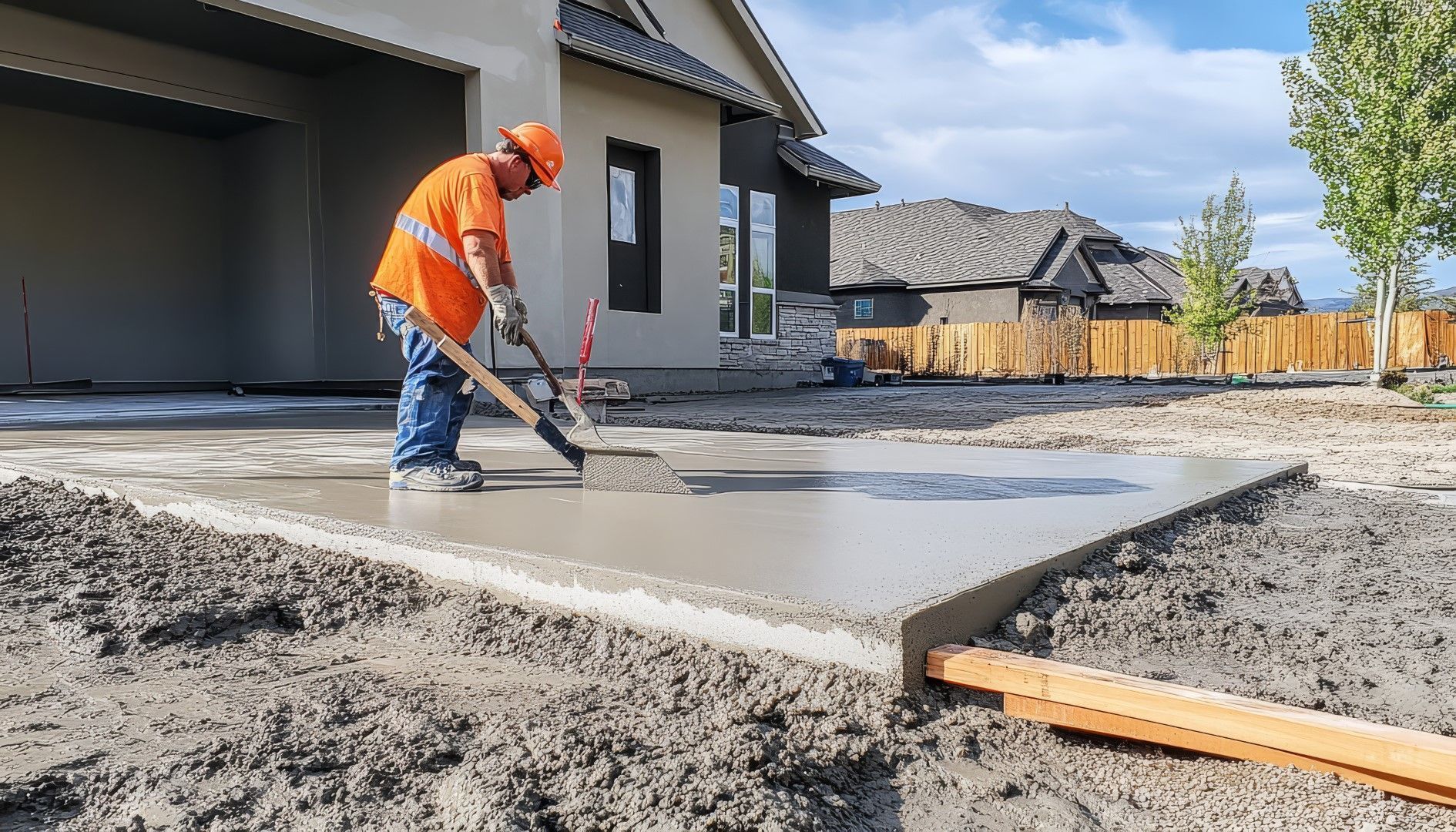
When it comes to winter durability, both kinds of concrete and asphalt driveways have their benefits and disadvantages. driveway replacement are celebrated for their longevity and tolerance to weather extremes, which makes them a popular choice in Ontario's harsh winters. They can withstand heavy snow loads and do not soften during warm spells, preserving their structure better than asphalt. However, concrete is prone to cracking when faced with freeze-thaw cycles, necessitating proper installation practices and sufficient sealing to mitigate these issues.
Conversely, asphalt driveways tend to perform better under severe temperature fluctuations when properly maintained. The flexibility of asphalt allows it to expand and contract without cracking, making it less prone to damage from the cold. Nevertheless, asphalt can become soft in high temperatures and is more vulnerable to wear from snow plows and road salts, which can weaken its surface over time. new driveway installation need to consider the trade-offs between durability and maintenance when selecting between these two materials.
In the end, the decision may depend on personal preference, budget constraints, and expected driveway usage. While concrete offers a more robust and lasting surface, asphalt can provide a more cost-effective option with regular maintenance. Understanding how each material reacts to Ontario's winter conditions is essential for homeowners to make an informed choice that fits their needs.
Key Considerations for Hiring Driveway Contractors
When picking a driveway contractor in Ontario, it is crucial to consider their experience and reputation in the local community. Look for contractors who specialize in concrete driveways and have a proven track record of successful projects. Reading online reviews, obtaining references, and evaluating their portfolio of completed work can give insights into the quality of their craftsmanship and customer service. Take into account contractors who are knowledgeable about Ontario's specific climatic conditions and can tailor their solutions to meet the demands of freeze-thaw cycles.
An additional important aspect to consider is the contractor's understanding of essential installation techniques and regulations. Verify they are familiar with local municipal by-laws regarding driveway dimensions and permits. Knowledge of best practices for base preparation, proper curing methods, and reinforcement techniques is vital to ensure a long-lasting driveway. Choosing a contractor who emphasizes these factors will help you avoid potential issues in the future, including cracking and poor drainage.
Lastly, discuss pricing and the details of the contract upfront to avoid misunderstandings later. A reputable contractor should provide a clear breakdown of costs, including materials, labor, and any additional services such as sealing or maintenance. Don't hesitate to ask questions about their pricing structure, warranty options, and the timeline for project completion. It is essential to feel comfortable and informed throughout the hiring process to make sure you choose a contractor who aligns with your expectations and needs.